
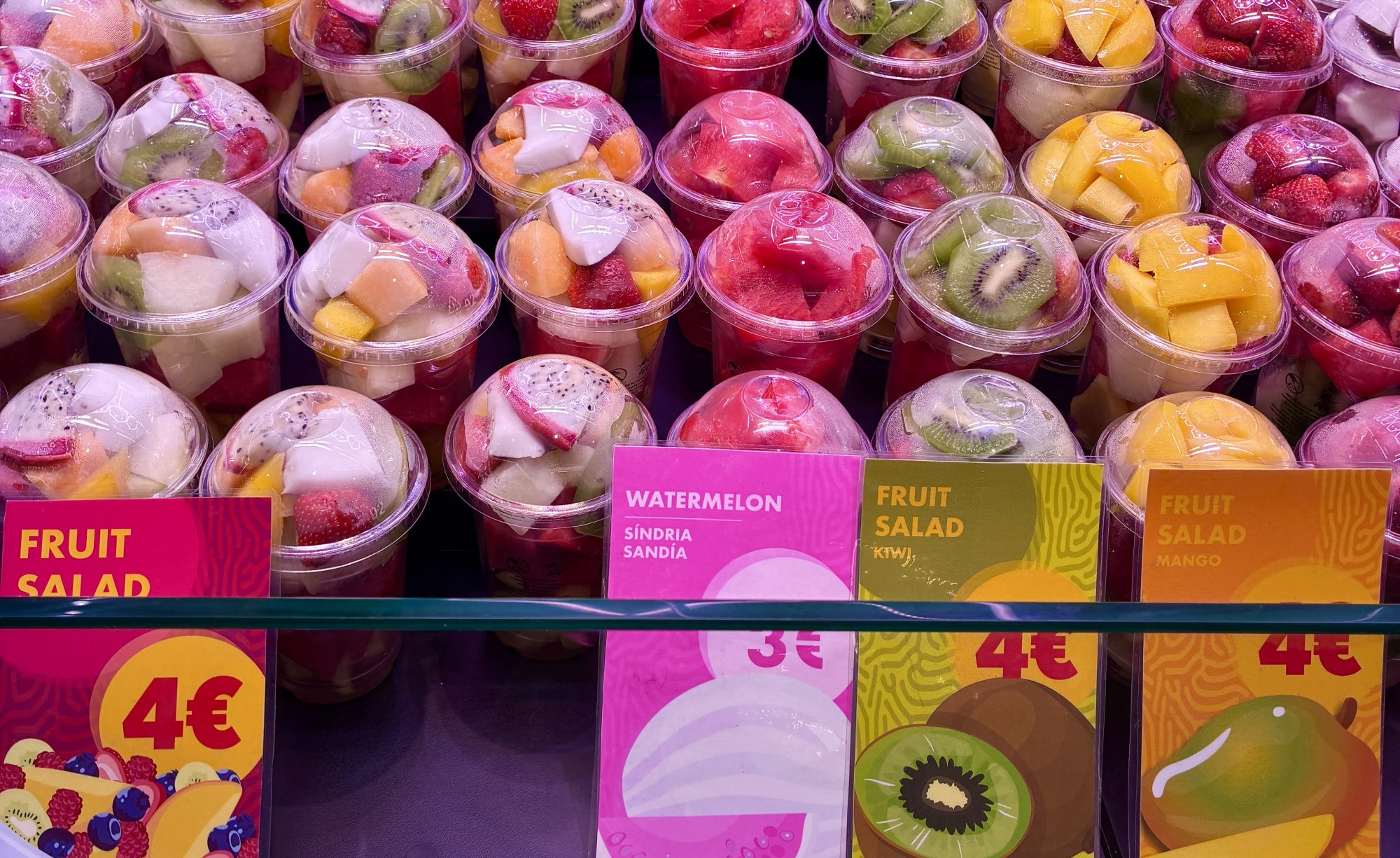
The next generation buys differently. They have grown up with Instagram and TikTok, where products pop up on the “For You Page”, are shared with friends and become part of their identity. Outstanding design, memorable names and experiences often matter more than the product itself.
Let’s be honest. Nobody has ever woken up in the morning thinking, “I can’t wait to read another product description today. And this will become increasingly relevant. In just 10 years, almost 30% of the population will be made up of today’s Gen Z. Whether we like it or not, they are the future of fresh produce.
Reaching new target groups always starts with understanding eating habits. Next, the right product will follow. And only then does communication really make sense. Take Gen Z for example. Around 79% of 18 to 24-year-olds snack every day, which is why they are often called “Gen Znack”. In fact, 64% replace at least one meal each week with a snack, often inspired by what they discover on social media, especially on TikTok.
Snacking happens everywhere nowadays: on the train, between meetings, while walking through the city or during a short break at work or studying.
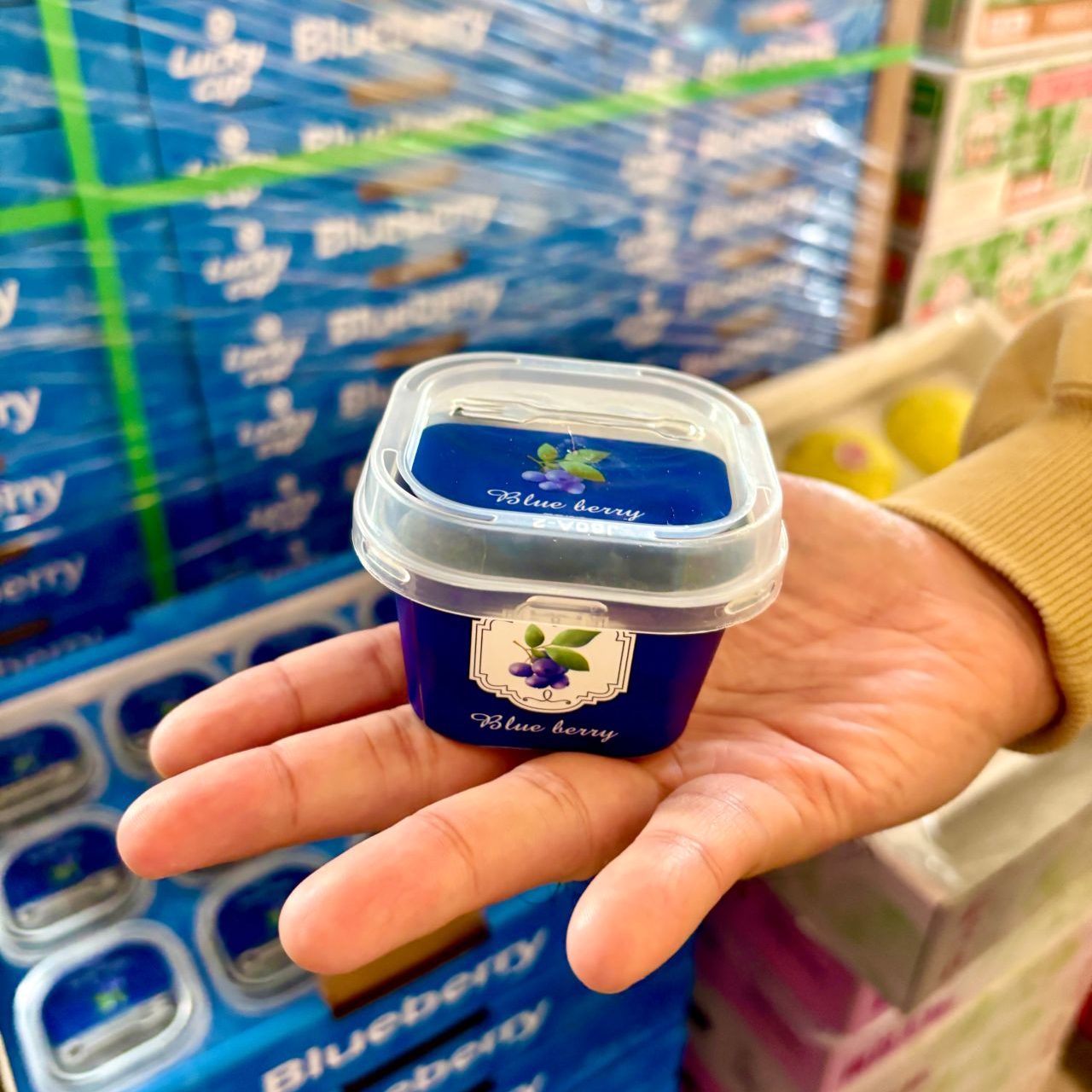
That’s why I found this blueberry concept at a wholesale market in Shanghai so inspiring. It is called the “Lucky Cup”, and I honestly couldn’t imagine a more fitting name. It contains just 70 grams of blueberries, exactly the right size for an on-the-go snack, together with a small fork, although I have to admit I would probably still eat the blueberries with my fingers.
I immediately liked the idea because it combines so many things at once. An attractive name, a differentiated presentation and a format that adheres perfectly to today’s eating habits. It even works for school and kindergarten lunchboxes, helping children develop healthy eating habits from an early age.
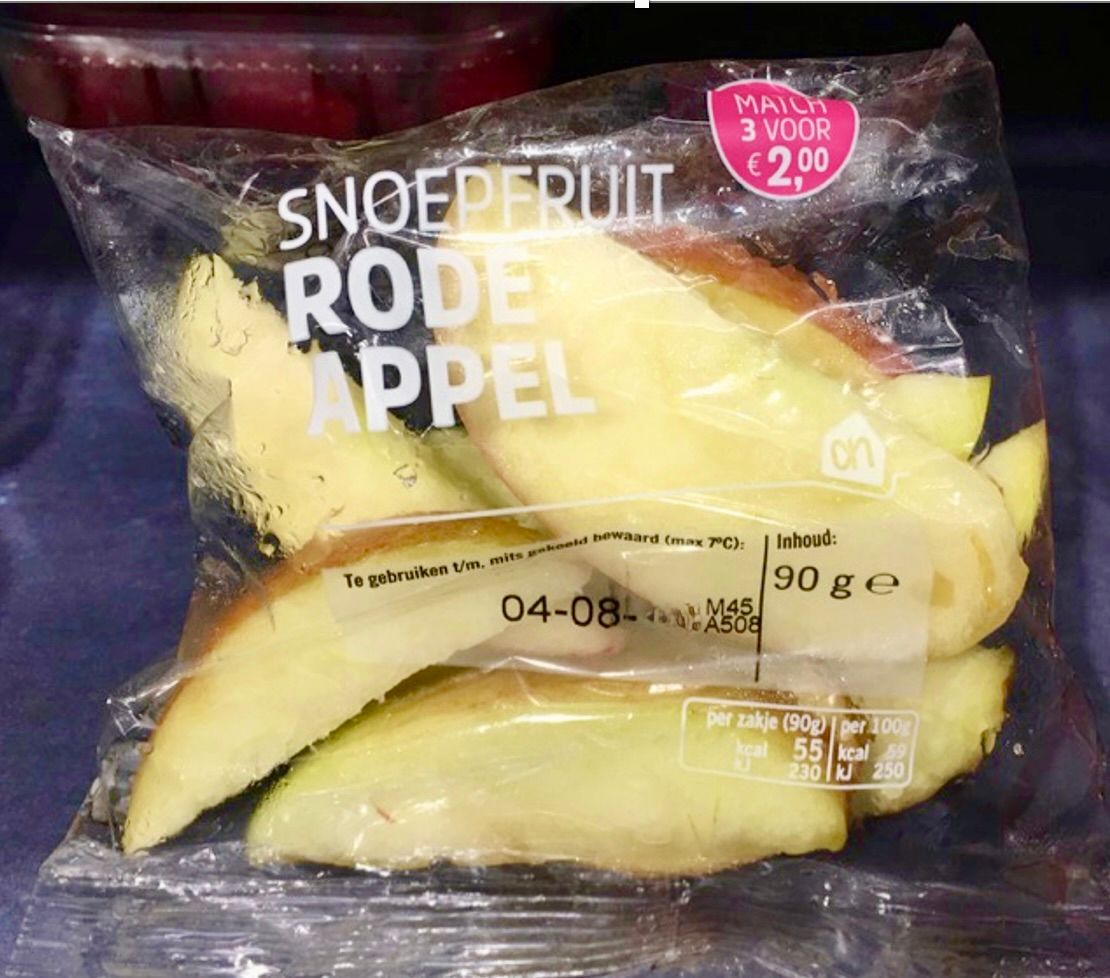
When I first spotted pre-sliced apples wrapped in plastic in a supermarket, on the other hand, my first reaction was probably the same as yours would have been.
Who on earth needs that?
Then I came across some surprising data. In US school cafeterias, simply switching from whole apples to sliced apples increased apple sales by 71% while reducing food waste by 65%. Average consumption increased from 96 grams to 238 grams per student each day.*
It instantly reminded me of my agency days. We had a fruit basket in the office every morning. Whenever our office manager sliced the fruit before work, it usually disappeared before lunch. When she was on holiday and nobody prepped it, a bunch of the fruit stayed untouched. No wonder the fresh-cut fruit market is booming, especially among younger consumers who value convenience and ready-to-eat snacks.
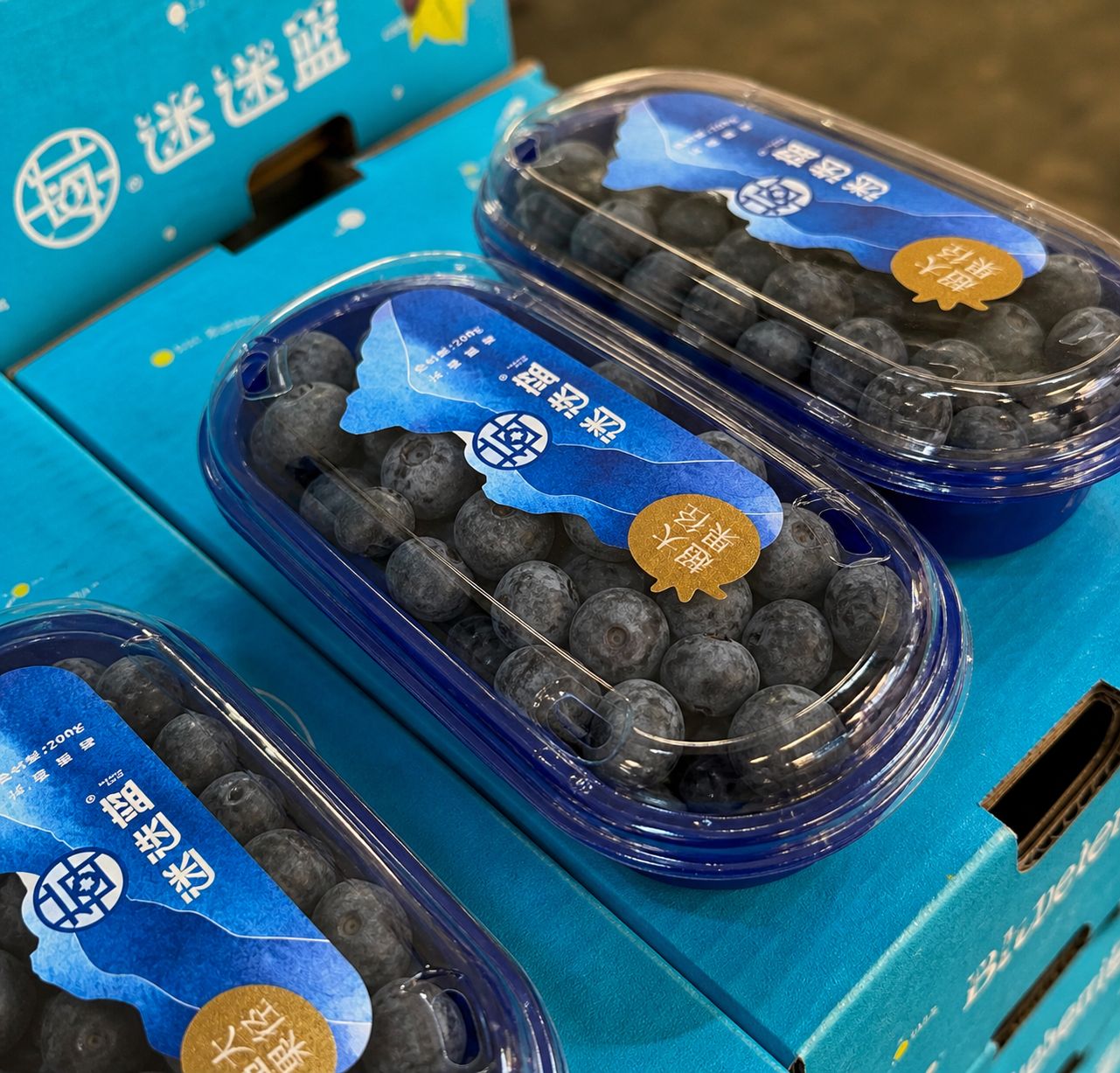
Packaging is another piece of the puzzle. It protects the product, but it also affects how we value it. In many markets, blueberries are sold in identically shaped clamshells, using the same material and visual language. Different logo, same look, same perception. If you want your product to be perceived as premium, consumers have to recognize the difference immediately. Before anyone reads a claim or checks the origin, packaging has already communicated something about quality, care and value.
This becomes even more relevant when you look at younger consumers. They’re not necessarily interested in buying what their parents bought. Instead, they’re looking for products that feel modern, expressive and aligned with their own identity.
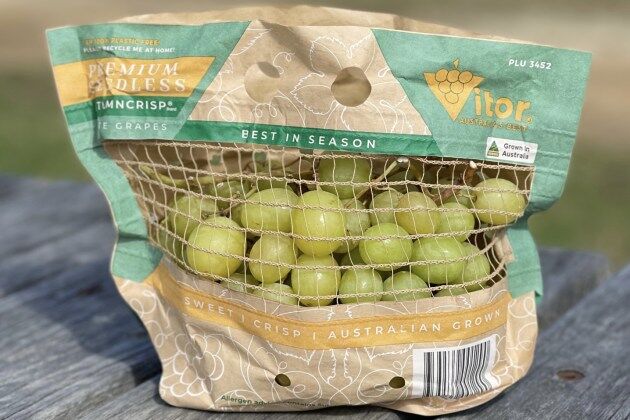
It’s due to this development that I found this paper-based grape packaging so interesting as well. What struck me was not only the material, but the completely different perception it creates. The grapes suddenly feel more natural, more carefully selected and almost like something you’d buy at a local market rather than hurriedly grabbing yet another plastic bag from a supermarket shelf.
And finally, there is naming. What comes to your mind when you hear Cotton Candy ? Probably a funfair, childhood and sweet memories.
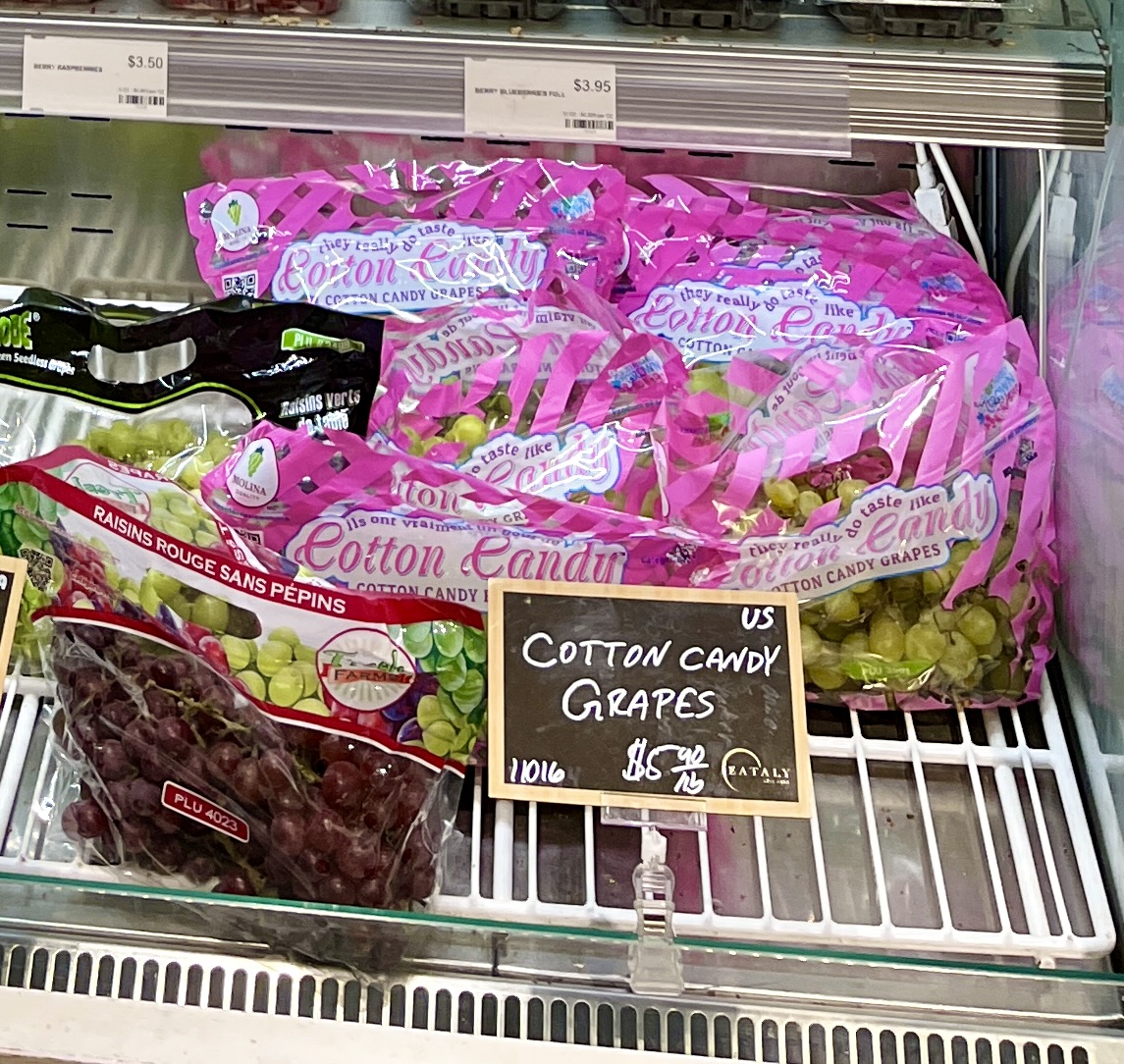
I think it is such a brilliant name for grapes, precisely because of the emotional memories it evokes. “Grapes” simply describes a product. “Cotton Candy” creates curiosity before you have even tasted it. Research from Cornell University found that imaginative names increased sales by 28% and made consumers willing to pay 12% more. Other studies show that products with memorable names are perceived to be high quality and are purchased more often.
Looking at all these examples, I find it fascinating that none of them actually changes the fruit itself. The blueberries remain blueberries. The apples remain apples. The grapes remain grapes. What changes is the way consumers experience them.
Sometimes it’s a memorable name. Sometimes it’s packaging that stands out immediately. Sometimes it’s simply making fruit easier to eat. Best case scenario is delivering on all 3 fronts.
Selling fruit is just one part of the puzzle. Perhaps that is exactly why branding in fresh produce is so important – Because it allows us to create high-end experiences that fit naturally into people’s lifestyles.
*Source: Brian Wansink, David R. Just, Andrew S. Hanks, and Laura E. Smith (2013) “Pre-sliced Fruit in School Cafeterias: Children’s Selection and Consumption of Apples.”