
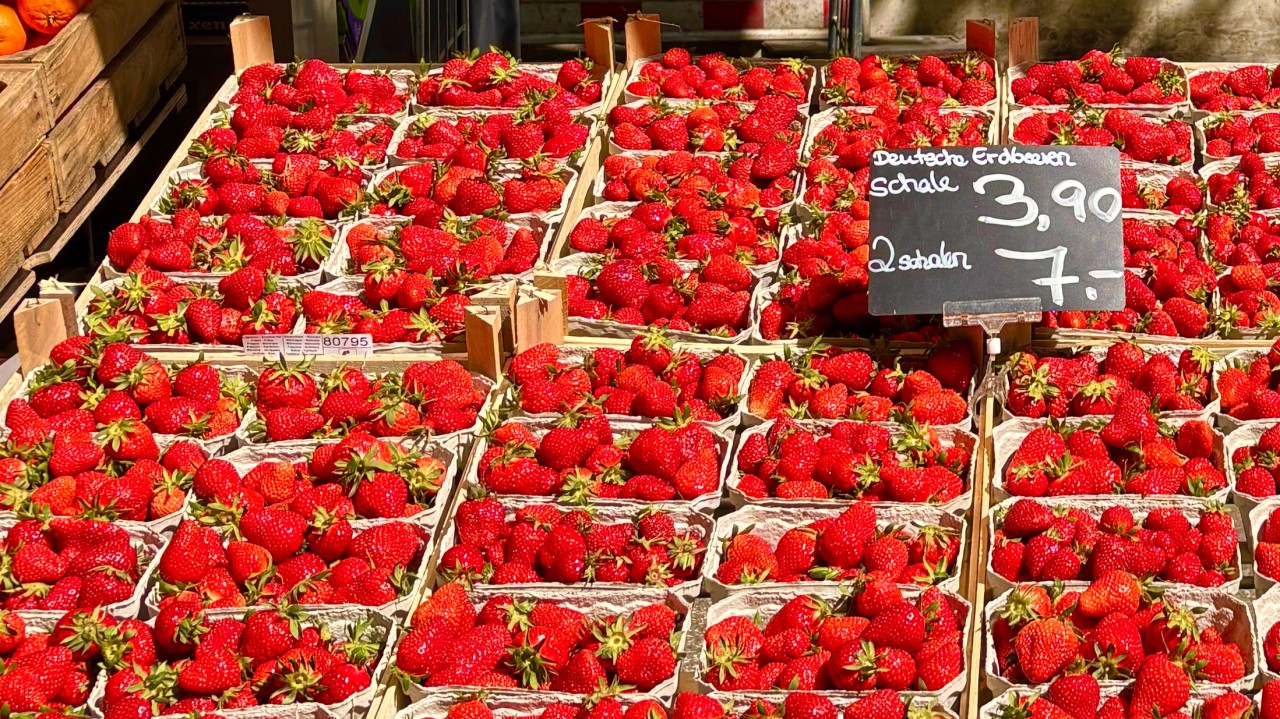
There’s a widespread lack of real appreciation for how much work, risk, and know how it takes to grow high quality fruit and vegetables. At the same time, many consumers are willing to splurge significantly more on highly processed foods, snacks, and convenience products. Meat consumption also remains high, even though fresh fruit and vegetables are often more affordable by comparison.
Price isn’t the problem here. Rather, this phenomenon is about perceived value.
Recent figures show that Germany’s domestic producers currently only supply around 20% of its fruit demand, while vegetables reach approximately 37%.
A couple of examples for you:
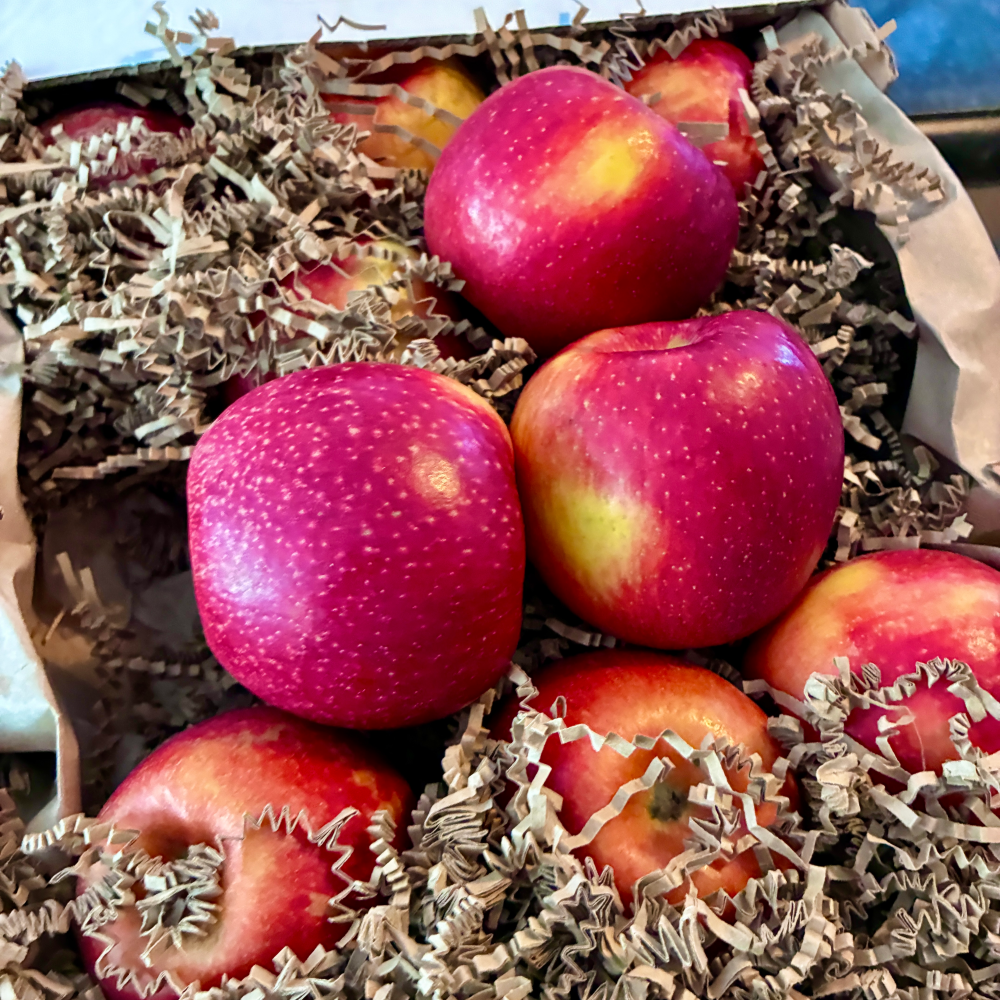
Tomatoes: 3.8% Cherries: 18.8% Pears: 15.4% Strawberries: 40.6% Apples: 48.7%
Let’s look at strawberries for instance. Strawberry cultivation areas in Germany have almost halved over the last 10 years. The reasons behind this are complex. Between the field and the consumer lies a long chain of storage, cooling, energy costs, sorting, packaging, transportation, retail, labour, and losses throughout the value chain. Overall production costs have increased significantly, making profitable strawberry cultivation increasingly difficult for many growers.
Another example makes this easier to understand. Earlier this year, German farmers at times received only around 3 cents (!!) per kilogram for potatoes, while consumers can easily pay €2.50 or more per kilogram in supermarkets. If those same potatoes are turned into fries at fairs or events, the equivalent value can rise to €30 per kilogram or even more.
This illustrates something important. Consumers are paying more, but that does not automatically mean farmers are earning more. In many cases, profitability remains under pressure, which is one of the reasons why cultivation areas continue to decline.
And this is not just a German challenge. Growers around the world are facing similar issues. Rising labour costs, increasing energy and logistics prices, climate related risks, stricter regulations, and higher input costs are creating significant challenges across many production regions. Consumers end up paying more at the shelf, while producers globally continue to operate under increasing economic pressure.
Many consumers say they prefer buying locally grown prodcuts. Despite this, Germans are still unable to supply their demand domestically and remain heavily dependent on imports. Perhaps the question should not be whether people want regional products. Instead, the right question to ask is whether we have created enough tangible value for consumers to actively choose them.
And this isn’t just applicable to local produce. Imported fruit often faces a similar challenge. Much of it is still sold as a plain old commodity: with limited differentiation and few strong brands to attract the attention of consumers.
When products look interchangeable, consumers naturally focus on and compare prices. But when value becomes visible through storytelling, transparency, quality, origin, and branding, purchasing decisions change more often than not.
That is exactly why it is so valuable when consumers are invited onto farms and into the fields. Younger generations in particular increasingly want to see what happens behind the scenes, understand where their food comes from, and learn how it is produced.
Interestingly, premium food products increased by 6.2% overall last year. Consumers are clearly willing to spend more on good food when they recognise the added value.
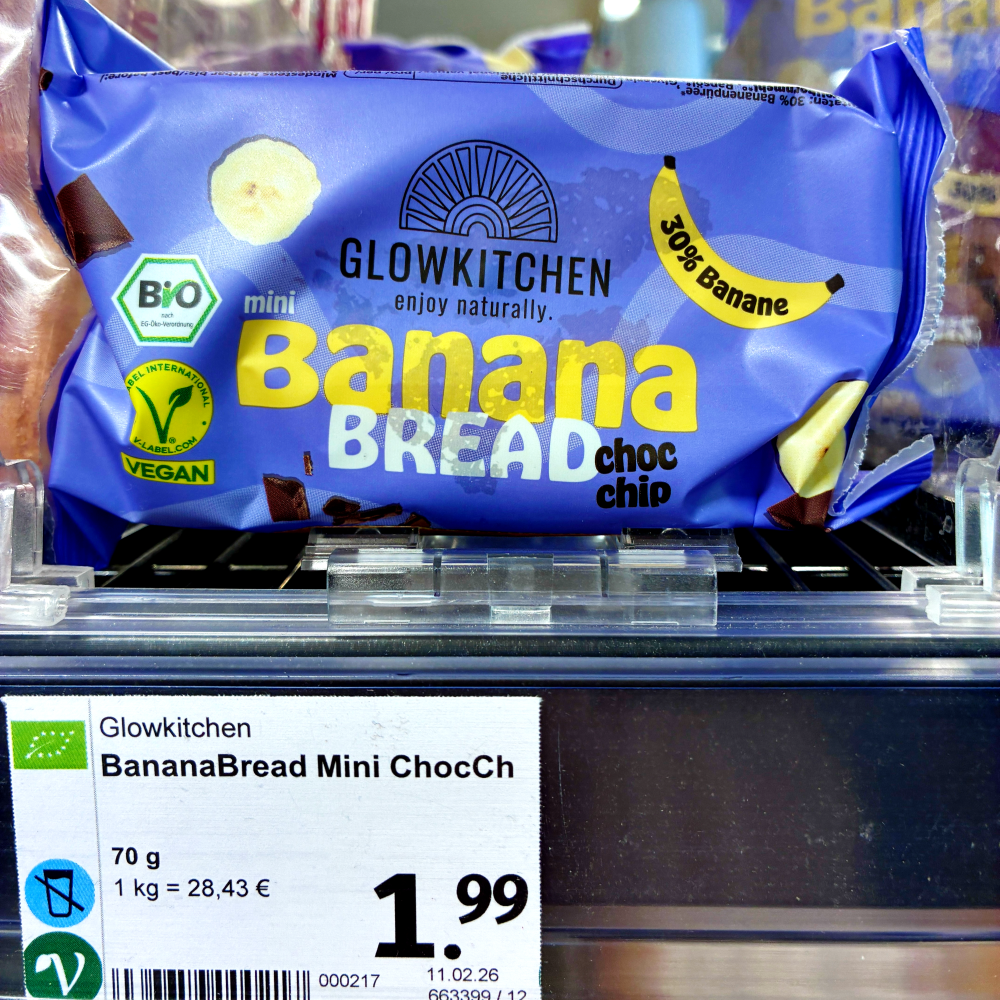
A simple example illustrates this well. I recently saw a banana snack sold at the equivalent of around €28 per kilogram while containing only 30% banana. Consumers are not paying only for the fruit itself. They are paying for convenience, processing, branding, packaging, and the overall product experience. In other words, the value of this product is being conveyed clearly and unmistakably to the consumer.
That is precisely why fruit and vegetables need more attention, stronger differentiation, and greater investment in brand building, communication, and marketing.
Because appreciation does not happen on its own!