
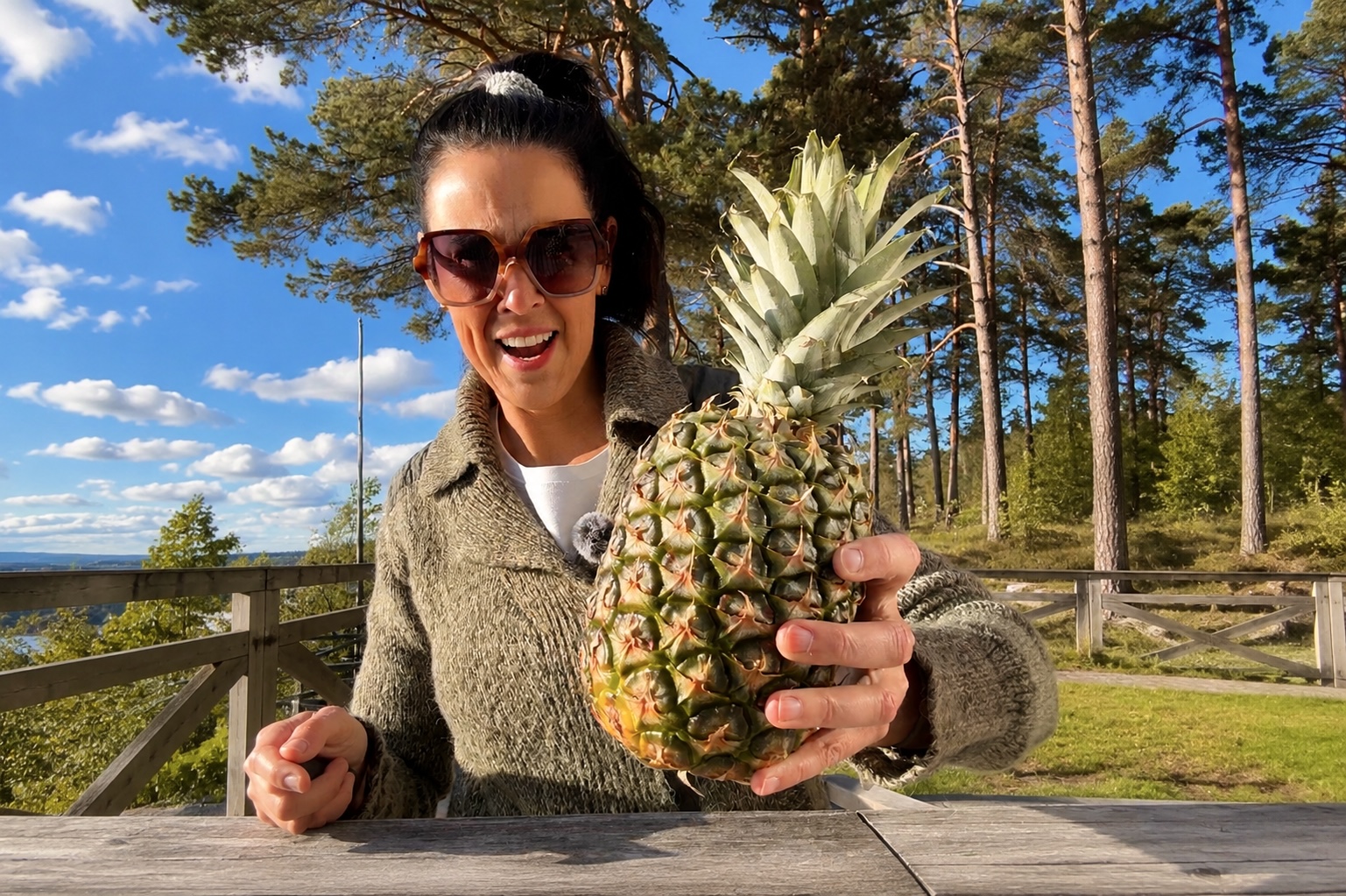
Few fruits have managed to transcend the food category quite like the pineapple.
It has become a cultural icon that stands for sunshine, holidays, exotic destinations, and hospitality. Pineapples are everywhere. On clothing, wallpapers, cocktail menus, hotel logos, and countless decorative items around the world. Their distinctive shape, textured skin, and crown make them instantly recognizable.

All this makes another development all the more surprising: Pineapple consumption has been declining for years in many markets. How can a fruit that is so widely loved and positively perceived gradually lose relevance?
The answer doesn’t lie in the fruit itself, but in the way we consume it.
While a banana can be eaten immediately, a pineapple requires more effort. It needs to be peeled, cut, and prepared before it can be enjoyed. At the same time, consumers have gravitated toward convenience products for years. They are increasingly willing to pay substantial premiums for products that save time and make consumption easier.
Where fresh-cut pineapple is offered, purchasing behavior often changes dramatically. Practical pineapple cutting machines have played an important role in making this possible by turning a fruit that once required extensive preparation into a ready-to-enjoy snack.
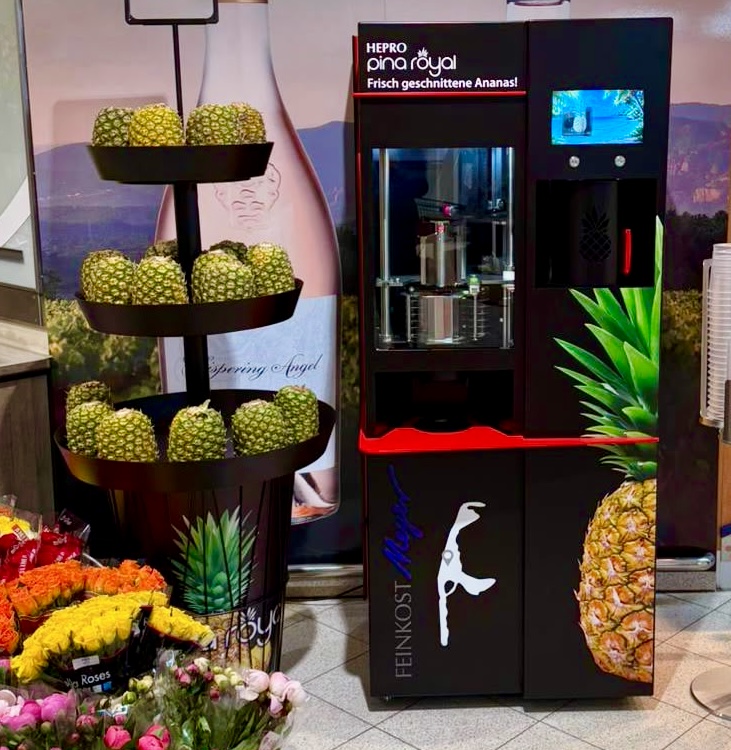
One retailer recently told me that he used to sell around 10 cases of pineapples per week. With the cutting machine, he sells between 70 and 80 cases, and during the summer season sometimes as many as 100. At a retail price of €4.99 per pineapple.
In some stores, up to 80% of pineapple sales now come from freshly cut pineapple, while whole fruit has somewhat shifted into the background. What makes this particularly interesting is that the product itself has not changed at all. The pineapple is exactly the same. What has changed is accessibility.
Suddenly, the pineapple is no longer just competing with other fruits. It is competing with sandwiches, smoothies, protein bars, pastries, and other grab-and-go snacks. A fruit that was traditionally consumed at home becomes a product that can be enjoyed immediately. An ingredient becomes a snack.
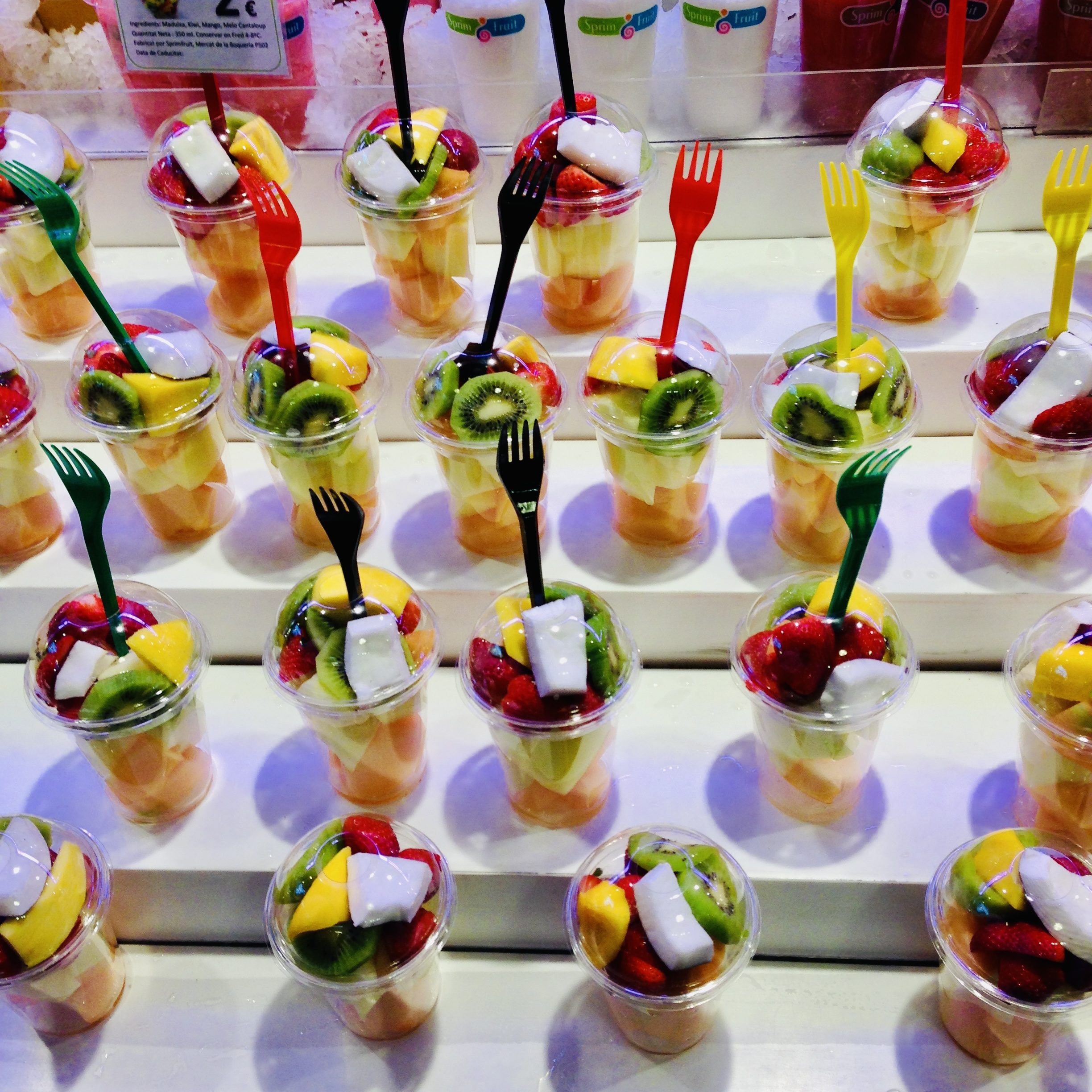
Consequently, this raises a much bigger question that extends far beyond pineapples. What if declining fruit and vegetable consumption is not a product problem? What if consumers actually like these products but struggle to integrate them into their daily routines?
And the question doesn’t just apply to pineapples. It also applies to melons, pomegranates, coconuts, and many other fruits that are highly appreciated for their taste but demand time-intensive preparation, creating convenience barriers.
At the same time, the case of the pineapple tells us something else. The fresh produce industry spends a great deal of time discussing new varieties, new products, and new concepts. But perhaps the answer doesn’t lie in constantly trying to create something new. Instead, we might spend more time thinking about how to make existing products more accessible, more visible, and easier to consume.
Sometimes consumers simply need better access to the fruits they already love.